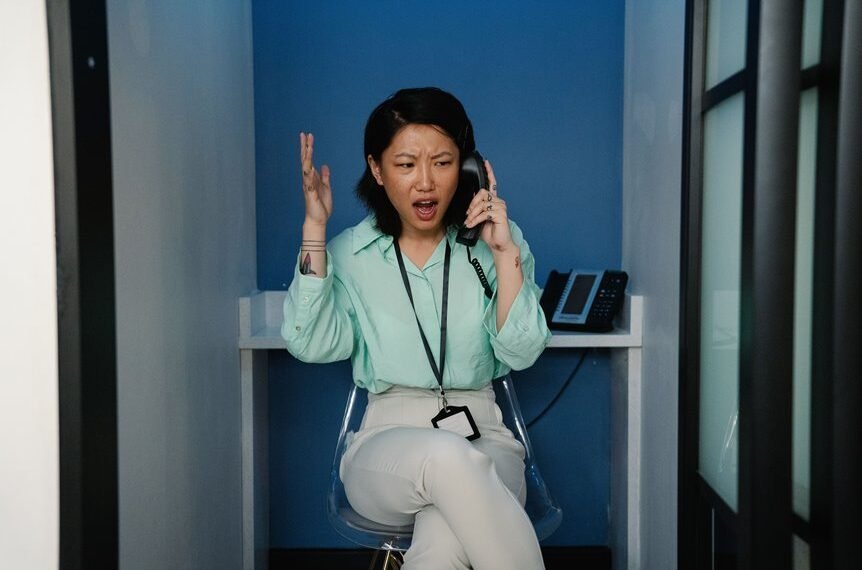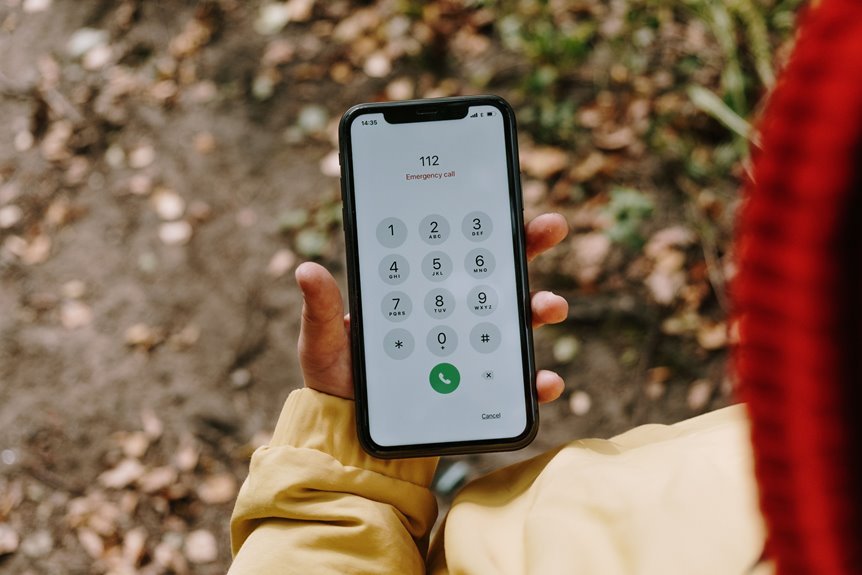

Before attempting another fix, users should assess what 8502706630 might be and why it appears in the troubleshooting process. They should verify whether the number aligns with official support channels, recognizable contact details, and documented guidance. Caution is warranted for unverified promises or scams. A structured approach includes seeking independent corroboration, asking for credentials, and outlining precise questions. If doubts persist, proceed with safer verification steps and consider alternative, documented avenues that reduce risk—options that may reveal critical, yet unseen, considerations.
What 8502706630 Could Be, and Why It Matters
8502706630 may refer to a specific numeric identifier used in a troubleshooting context, such as a caller ID, error code, or sequence reference. In this frame, the 8502706630 meaning is not a vague symbol but a reference point that guides diagnostics. The significance of number lies in traceability, context linking, and reproducibility across steps, tools, and records.
How Legit Support Lines Operate (and What to Expect)
Legitimate support lines operate under formal protocols designed to verify identity, assess issues, and provide documented guidance. They structure calls with verification steps, caller authentication, and security checks, then explain service claims and error codes.
How calls work includes recording, escalation, and clear expected outcomes. Common scams are anticipated, but legitimate teams maintain transparent processes and verifiable contact details for user assurance.
Red Flags That Signal Scammers or Unverified Claims
Red flags signaling scammers or unverified claims are patterns that emerge from rushed, evasive, or inconsistent behavior. The piece identifies red flags as warning signals, emphasizing careful scrutiny over quick promises. It notes unverifiedclaims require independent corroboration. safetyahead mindfulness urges readers to pause, verify details, and consult trusted sources. Verificationsteps include cross-checking numbers, credentials, and documented feedback before proceeding.
Safer Next Steps: Verification, Troubleshooting, and Questions to Ask
To proceed safely, a structured approach to verification, troubleshooting, and questioning is essential: begin by validating the source and purpose of the number, then isolate the problem through controlled checks, and finally formulate targeted questions to elicit precise responses.
Verification steps, troubleshooting tips, questions to ask, safety considerations, scam detection, claim verification guide readers toward informed, freedom-respecting conclusions.
Frequently Asked Questions
How Can I Verify a Contact’s IDentity Beyond Caller ID?
To verify identity beyond caller ID, use a verify method such as mutual verification questions, cross-check with official records, and request corroborating details. The verify method should ensure consent, be auditable, and avoid sharing sensitive data.
What Records Should I Keep When Contacting Support?
Like a lighthouse guiding ships, the user keeps records and follows a strict protocol. The answer: keep records of all contacts and steps, verify identity with independent confirms, and document dates, times, representatives, and outcomes for accountability and clarity.
Are There Regional Scams Tied to “8502706630”?
There is no verified evidence linking 8502706630 to regional scams, though regional scams exist; emphasis remains on caller authentication, verifying identities, and cautious handling of unsolicited calls to protect personal information and preserve user freedom.
What Privacy Risks Come With Sharing Device Details?
Sharing device details heightens privacy risks and increases device exposure, as personal information may be inferred or intercepted. The detached observer notes potential data leakage, tracking, and misuse, urging careful minimization of disclosures while preserving essential functionality and freedom.
How Do I Report Persistent Suspicious Calls Quickly?
The report should be filed promptly with the relevant carrier or authority, noting persistency patterns and suspicious caller IDs. Detach yourself from fear; document timestamps, preserve logs, and provide concise evidence to aid swift investigation and caller ID limits assessment.
Conclusion
This careful conclusion, chosen with cautious clarity, champions consistent verification. Vigilant viewers verify voices, validate viability, and veto vague violence of vague vendors. Thorough thought, thorough tracing, and thorough questions quell questionable quasi-claims. Safer steps spring from suspected signals: solicit stated surnames, seek sanctioned sources, scrutinize credentials, and survey service terms. Structured safeguarding sustains sound solutions: separate suspicious situations, study official statements, systematize steps, and store supporting documentation. Sensible sovereignty safeguards stability, steering solutions toward solid, legitimate, and secure sustenance.

 By
By